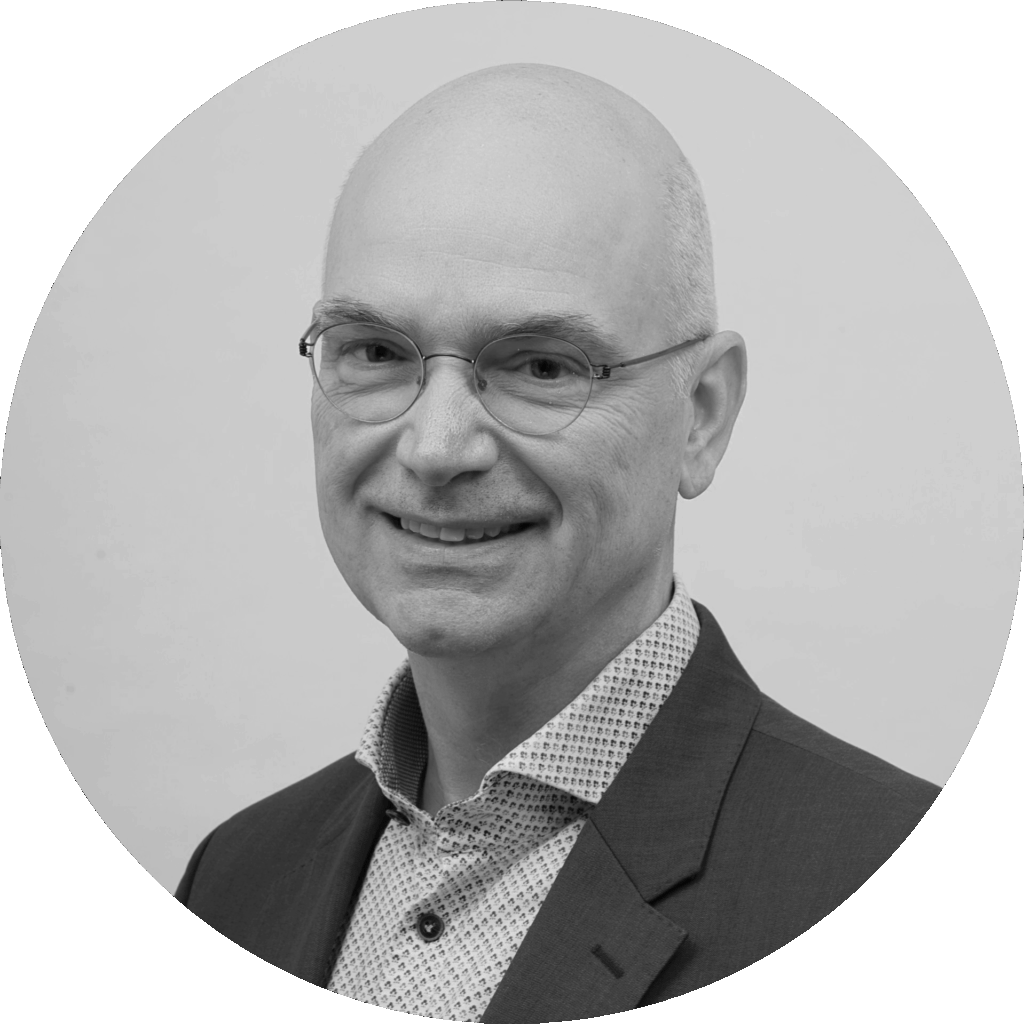
As a child, I was captivated by government advertising warning us to conserve the scarce fossil fuels the world supplies us with. From that time on, I had a mission. I wanted to understand how the energy system works and what needs to be done to transform it into a different, more sustainable system. This is where my interest in systems thinking originated.
My foundation was further developed during my studies in applied physics at the University of Twente, in the Measurement and Control Engineering department, specializing in district heating. During my studies, I discovered the importance of data in developing decision-making models. Additionally, I obtained a degree in computer science. For my graduation project, I modeled and simulated the airflow and temperature control for a sterile cabinet for manned spaceflight. An exceptionally complex problem because, in addition to the technology, human behavior in space had to be modeled as well.
I am a systems thinker and can effectively balance both rational and more “soft” considerations. I spent a large part of my career working for energy producers and grid operators. The other part was in asset management consulting, including a 12-year period working for an American company that developed decision-making models and scenario analyses in the asset management domain that closely resembled Copernicos’ STORM and Asset Dynamics approaches.
I have held various asset management roles in energy generation, energy and water infrastructure, and for major energy consumers in industry. I have done this as an asset owner/asset manager and as an advisor in energy transition and asset management. This has allowed me to build extensive knowledge and an overview of the energy system and develop a strong understanding and empathy to view the complexity of the energy transition and its impact on asset management from various perspectives.
My ambition at Copernicos is to build a strong position in the Energy and Infrastructure sector. My target clients are (green) energy producers, transport and distribution companies, and major energy consumers. After all, there’s still much to be done before we can say we’ve completed a successful energy transition.
Copernicos uses functional cookies and cookies to manage web statistics, advertisements and social media. By using our website you agree to these cookies and similar techniques.OkPrivacy policy